

World Heart Day 2026
There are some things in life we notice immediately.
A ringing phone.
A message notification.
A knock at the door.
But there is one sound most of us rarely think about — the sound of our own heartbeat.
Beat after beat, our heart continues working quietly in the background. We usually notice it only when something feels different: unusual breathlessness, unexplained tiredness, discomfort in the chest or a heartbeat that suddenly feels different.
This is the idea at the heart of World Heart Day 2026.
Observed every year on 29 September, World Heart Day is an opportunity to raise awareness about cardiovascular health and encourage people to take better care of their hearts.
The World Heart Day Theme: Don’t Miss a Beat carries a simple but powerful message — pay attention to your heart, recognise possible warning signs and do not overlook symptoms that may require medical attention.
But what does “Don’t Miss a Beat” actually mean? Why does heart health deserve our attention? And how can simple everyday choices help protect our hearts?
Let’s take a closer look.
World Heart Day 2026: What Is the Theme?
The World Heart Day Theme: Don’t Miss a Beat is the central message of the 2026 campaign.
The phrase may sound simple, but its meaning goes much deeper.
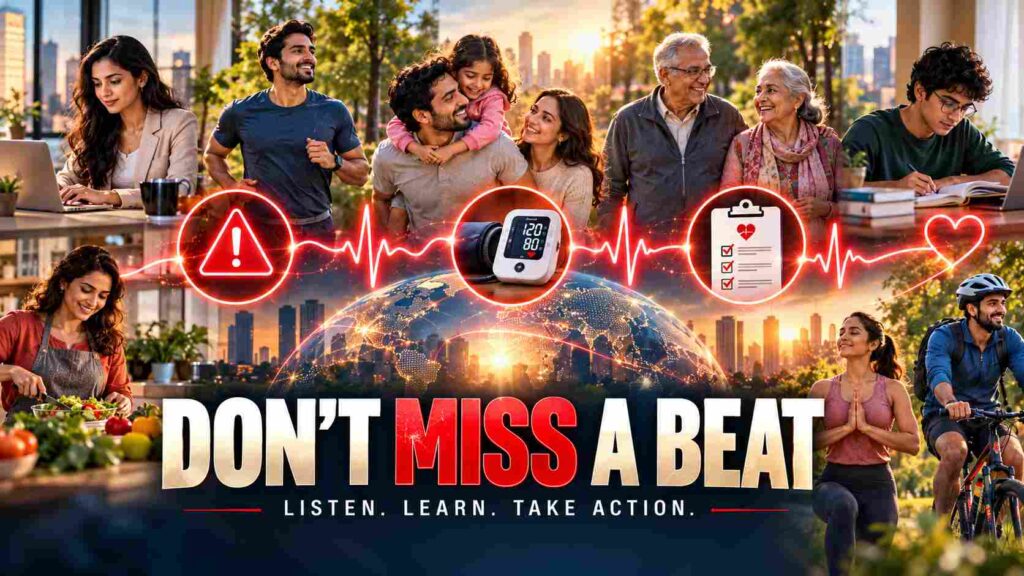
Heart disease does not always announce itself with an obvious or dramatic warning. Some cardiovascular conditions can develop without noticeable symptoms, while other warning signs may be mistaken for tiredness, stress, acidity or other everyday problems.
The 2026 campaign encourages people to become more aware of the signs and symptoms of cardiovascular disease and to take appropriate action rather than ignoring them.
In other words:
Don’t panic. Don’t self-diagnose. But don’t ignore your heart either.
What Does “Don’t Miss a Beat” Mean?
The World Heart Day Theme: Don’t Miss a Beat is essentially a reminder to listen to your body.
Our heart works continuously, but most of us rarely think about it when everything seems normal.
We may pay attention to our phones, our work, our responsibilities and our schedules — but how often do we pay attention to our own health?
“Don’t Miss a Beat” encourages us to change that.
It means learning about heart disease.
It means understanding possible warning signs.
It means knowing important health measurements such as blood pressure and cholesterol.
And it means seeking medical attention when something concerning happens.
World Heart Day 2026: When Your Heart Is Trying to Tell You Something
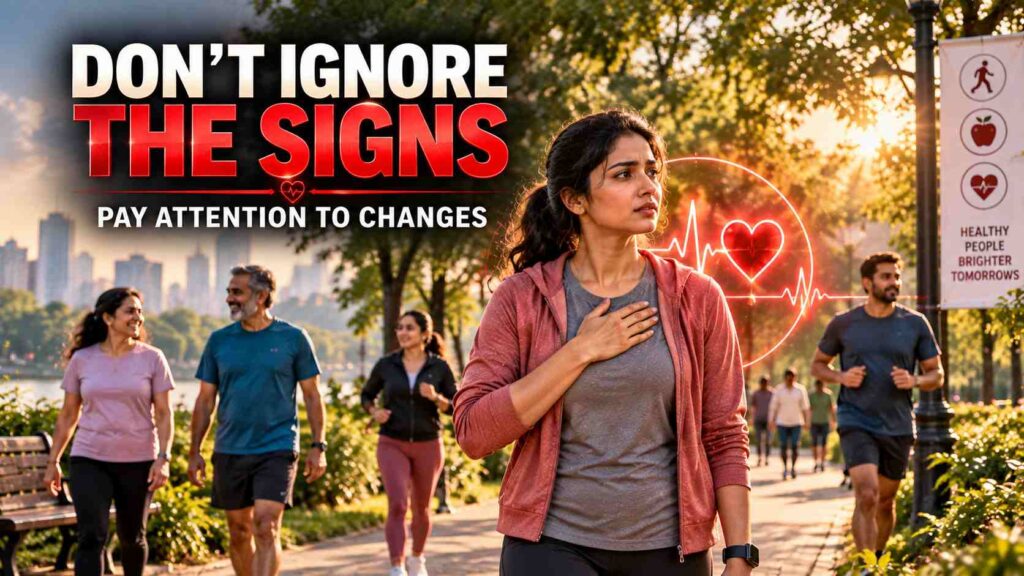
Imagine someone who normally walks up two flights of stairs without any difficulty.
One day, they notice that they are unusually breathless.
They think:
“Maybe I didn’t sleep well.”
Another day, it happens again.
They ignore it.
Perhaps it is nothing serious.
But perhaps it deserves medical attention.
This is why awareness matters.
Not every episode of breathlessness, tiredness or discomfort means there is a heart problem. There can be many different causes.
However, repeatedly ignoring unusual symptoms can also mean overlooking something important.
That is one of the key ideas behind World Heart Day 2026.
Pay attention to changes.
Heart Disease Does Not Always Speak Loudly
Many people imagine heart disease as something that happens suddenly.
But cardiovascular problems can develop gradually.
For example, high blood pressure and high cholesterol may not cause obvious symptoms, yet they can increase cardiovascular risk.
This is why preventive healthcare matters.
You do not necessarily have to wait until you feel sick before paying attention to your heart.
Depending on your age, health history and individual risk factors, a healthcare professional may recommend checking:
- Blood pressure
- Cholesterol
- Blood glucose
- Body weight
- Other relevant health measurements
Knowing your health information can help you and your healthcare professional understand your cardiovascular risk.
Warning Signs You Should Not Ignore
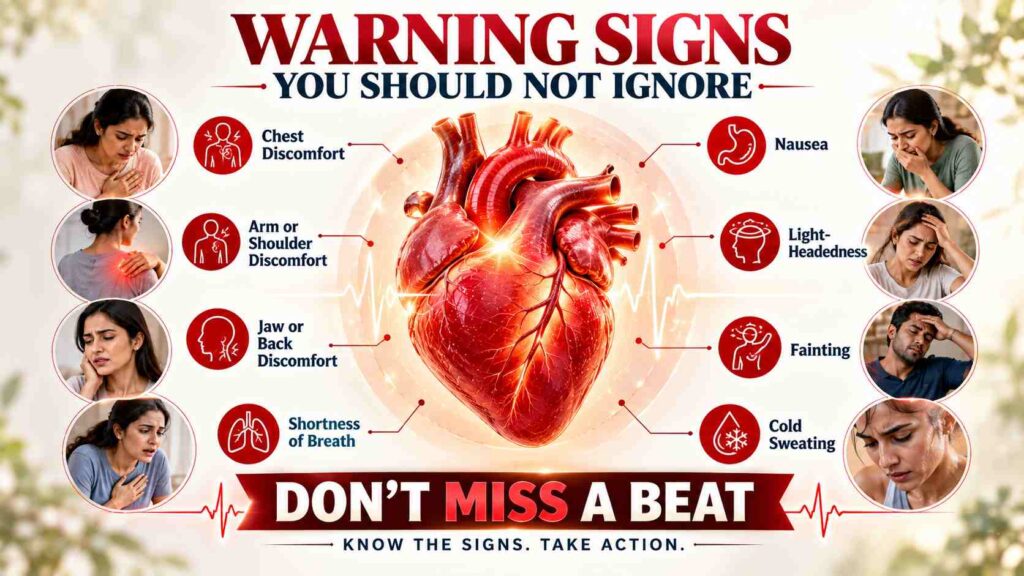
One of the most important reasons behind the World Heart Day Theme: Don’t Miss a Beat is to encourage people to recognise potentially serious warning signs.
Possible symptoms of a heart attack can include:
- Chest pain or discomfort
- Discomfort in the arm or shoulder
- Pain or discomfort in the jaw or back
- Shortness of breath
- Nausea or vomiting
- Light-headedness
- Fainting
- Cold sweating
Symptoms can vary considerably from person to person.
Some people may experience symptoms that do not fit the classic image of a heart attack. Women, for example, may experience symptoms such as shortness of breath, nausea, vomiting or discomfort in the back or jaw.
If symptoms could indicate a heart attack, seek emergency medical care immediately rather than waiting for them to disappear.
What About Stroke?
Heart health awareness also includes knowing the warning signs of stroke.
A stroke may cause sudden:
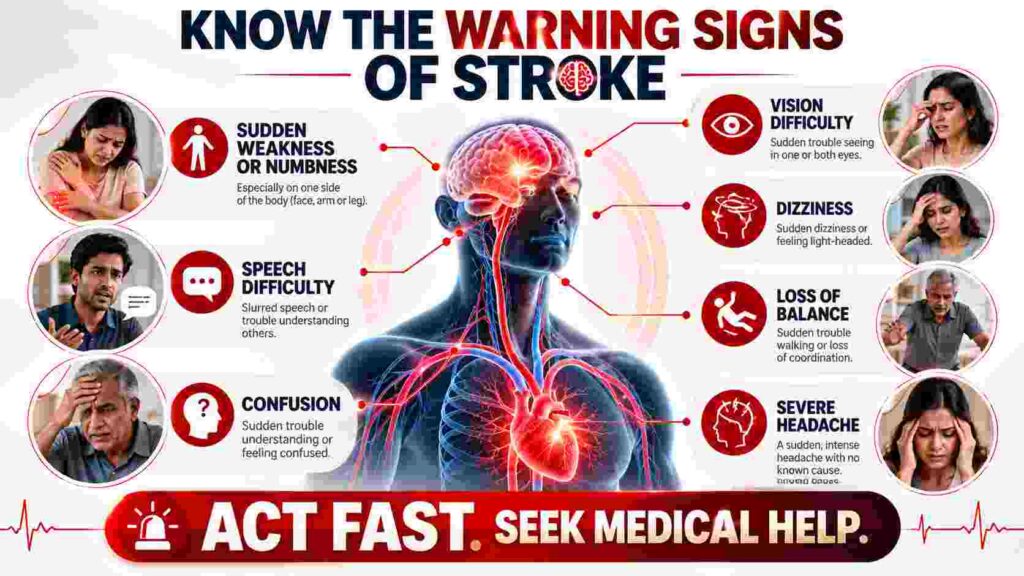
- Weakness or numbness, particularly on one side of the body
- Difficulty speaking or understanding speech
- Confusion
- Difficulty seeing
- Dizziness or loss of balance
- Difficulty walking
- Severe headache without a known cause
A suspected stroke is an emergency and requires immediate medical attention.
Knowing these signs can help us respond more quickly when someone needs help.
Why Is World Heart Day 2026 Important?
The importance of World Heart Day 2026 goes beyond one day on the calendar.
Cardiovascular diseases are a major global health concern.
According to the World Health Organization, cardiovascular diseases are the leading cause of death globally. Many cardiovascular risk factors are linked to lifestyle and can be addressed through prevention and appropriate medical care.
This makes awareness extremely important.
World Heart Day encourages people to move from:
“I’ll think about my health later.”
to:
“I’ll start taking care of my heart today.”
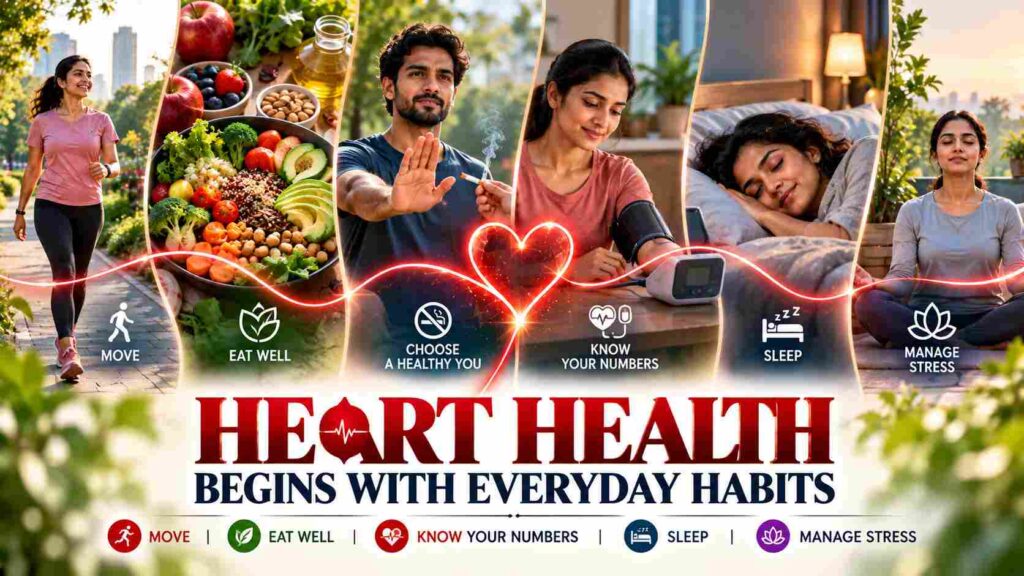
Heart Health Begins With Everyday Habits
Looking after your heart does not mean that you have to completely change your life overnight.
Small choices can become meaningful habits.
Move Your Body
Regular physical activity can support cardiovascular health.
You don’t necessarily need an expensive gym membership.
Walking, cycling, swimming, dancing, jogging or playing a sport can all be ways to incorporate movement into your routine.
For the 2026 campaign, the World Heart Federation is encouraging people to take part in a 20-minute movement challenge, making movement an important part of the year’s message.
Eat More Mindfully
Your everyday diet also matters.
A balanced diet can include:
- Vegetables
- Fruits
- Whole grains
- Nutritious sources of protein
- Appropriate amounts of healthy fats
It can also help to limit excessive salt, added sugar and unhealthy fats.
Healthy eating does not have to mean giving up everything you enjoy.
It can simply mean making healthier choices more often.
Stay Away From Tobacco
Tobacco use is an important cardiovascular risk factor.
Avoiding tobacco and getting appropriate support to quit smoking can be an important step towards protecting your heart.
Know Your Numbers
Sometimes the most useful information about your heart is information you cannot feel.
Blood pressure, cholesterol and blood glucose can provide important information about cardiovascular risk.
Talk to a healthcare professional about which checks are appropriate for you.
Take Sleep Seriously
Sleep is often sacrificed when life becomes busy.
But adequate, good-quality sleep is part of overall health.
Creating a consistent sleep routine and discussing persistent sleep problems with a healthcare professional can be helpful.
Find Healthy Ways to Manage Stress
Stress is part of life.
Work, family responsibilities, finances and personal challenges can all create pressure.
Finding healthy ways to manage stress — such as walking, hobbies, spending time with loved ones, relaxation exercises or mindfulness — can support overall wellbeing.
You Don’t Have to Wait for World Heart Day
Although World Heart Day 2026 is a specific date, taking care of your heart should not be limited to 29 September.
Think of World Heart Day as a reminder rather than a deadline.
A reminder to take that walk.
A reminder to learn your family health history.
A reminder to check your blood pressure when appropriate.
A reminder to choose a healthier meal.
A reminder to learn what a heart attack or stroke can look like.
And a reminder to take concerning symptoms seriously.
How Can You Participate in World Heart Day 2026?
There are many simple ways to observe World Heart Day 2026.
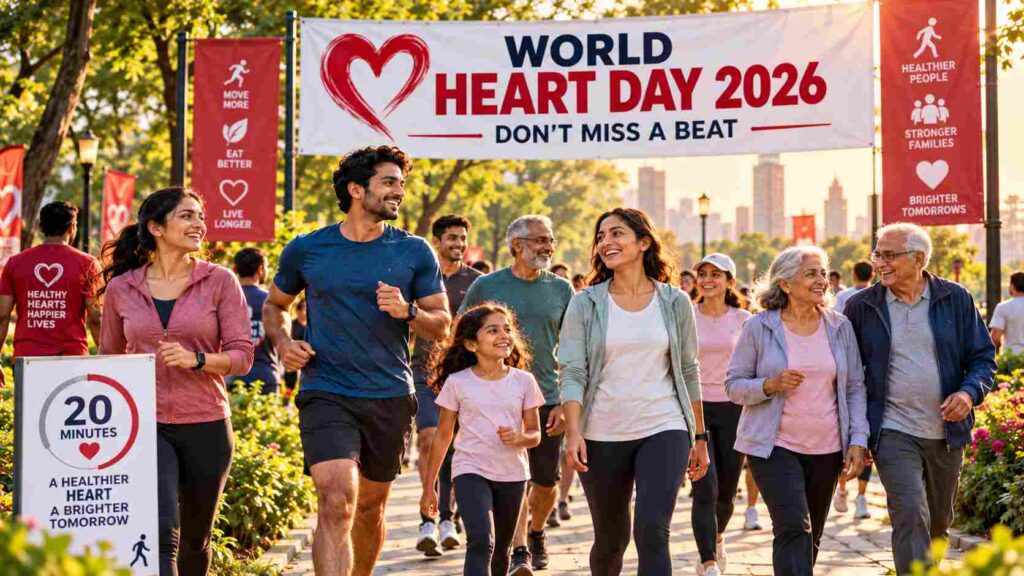
1. Take a 20-Minute Walk
Make movement part of your day.
2. Learn the Warning Signs
Knowing possible symptoms of heart attack and stroke can help you recognise when urgent medical attention may be necessary.
3. Encourage Your Family
Talk to your family about healthy eating, exercise and regular health checks.
4. Know Your Health Numbers
Ask a healthcare professional whether you should monitor your blood pressure, cholesterol or blood glucose.
5. Share Awareness
Share reliable information about cardiovascular health on social media and encourage others to take their heart health seriously.
One Heart. One Life. Many Choices.
Your heart has been working for you every second of every day.
It beats while you sleep.
It beats while you work.
It beats while you laugh.
It beats while you spend time with the people you love.
We often take this extraordinary work for granted because we don’t have to think about it.
Perhaps that is exactly why we need reminders like World Heart Day 2026.
The World Heart Day Theme: Don’t Miss a Beat asks us to pause and pay attention.
Not with fear.
With awareness.
Not by worrying about every little sensation.
By understanding our risk, learning the warning signs and making healthier choices.
World Heart Day 2026: Don’t Miss a Beat
There is a powerful simplicity to this year’s message.
Don’t Miss a Beat.
Don’t miss the opportunity to care for your heart.
Don’t miss warning signs that deserve attention.
Don’t miss the chance to make a healthier choice.
And don’t assume that your heart can wait until tomorrow.
This World Heart Day 2026, take a moment to think about the organ that has never stopped working for you.
Move more.
Eat mindfully.
Know your health risks.
Learn the warning signs.
And when something doesn’t feel right, don’t ignore it.
❤️ Don’t Miss a Beat.
Because every heartbeat counts.
Frequently Asked Questions About World Heart Day 2026
When is World Heart Day 2026?
World Heart Day 2026 will be observed on 29 September 2026.
What is the World Heart Day Theme for 2026?
The World Heart Day Theme: Don’t Miss a Beat is the central campaign message for World Heart Day 2026. It encourages people to pay attention to heart health and recognise possible warning signs of cardiovascular disease.
What does “Don’t Miss a Beat” mean?
“Don’t Miss a Beat” encourages people not to overlook their heart health or potentially important symptoms. It is a reminder to understand cardiovascular risks, recognise warning signs and take appropriate action.
Why do we celebrate World Heart Day?
World Heart Day is observed to raise awareness about cardiovascular diseases, their risk factors, prevention and the importance of maintaining good heart health.
How can I celebrate World Heart Day 2026?
You can observe World Heart Day 2026 by becoming more physically active, learning about cardiovascular health, understanding warning signs, making healthier lifestyle choices and encouraging family and friends to care for their hearts.
What are some warning signs of a heart attack?
Possible warning signs include chest discomfort, shortness of breath, discomfort in the arm, shoulder, jaw or back, nausea, light-headedness, fainting and cold sweating. Symptoms can vary between individuals.
Is heart disease only a problem for older people?
No. Cardiovascular risk can be influenced by many factors, including lifestyle, family history and existing health conditions. Heart-healthy habits can be developed at any age.
Final Word
The heart rarely asks for our attention.
It simply keeps beating.
But World Heart Day 2026 gives us a reason to stop, listen and take that quiet work seriously.
The message “Don’t Miss a Beat” is not about living in fear of heart disease. It is about living with greater awareness.
Because sometimes the most important step toward protecting your heart is simply noticing that it needs your attention.
This World Heart Day, don’t just count your heartbeats. Make every one count.
Observed every year on 29 September, World Heart Day aims to raise awareness about cardiovascular health and encourage people to take steps to protect their hearts.
The theme for World Heart Day 2026 is “Don’t Miss a Beat.” The 2026 campaign by the World Heart Federation focuses on recognising signs and symptoms of cardiovascular disease that can sometimes be overlooked or mistaken for less serious problems.
But what does “Don’t Miss a Beat” really mean? Why is heart health so important? And what can we do in our everyday lives to take better care of our hearts?
Let’s find out.
When Is World Heart Day 2026?
World Heart Day 2026 will be observed on Tuesday, 29 September 2026.
World Heart Day is observed every year on 29 September to draw attention to cardiovascular diseases and encourage individuals, communities and organisations to take action for better heart health.
The day provides an opportunity to learn about heart disease, understand its risk factors, recognise possible warning signs and adopt healthier habits.
What Is the Theme of World Heart Day 2026?
The theme of World Heart Day 2026 is “Don’t Miss a Beat.”
The message is simple but meaningful: pay attention to your heart and do not overlook possible warning signs.
According to the World Heart Federation, the 2026 campaign highlights hidden symptoms of heart disease and encourages people to recognise the signs and take action.
Heart problems do not always look the way people expect them to. Some cardiovascular conditions can develop without obvious symptoms, while warning signs of an acute event may sometimes be mistaken for tiredness, indigestion or another everyday problem.
That is why knowing the possible signs and seeking medical attention when necessary can be important.
What Does “Don’t Miss a Beat” Mean?
“Don’t Miss a Beat” is more than a catchy campaign message. It is a reminder to listen to your body and take heart health seriously.
Cardiovascular diseases can affect the heart and blood vessels. They include conditions such as coronary heart disease, stroke, heart failure and other cardiovascular disorders.
One of the challenges is that underlying blood-vessel disease may not always produce noticeable symptoms. In some cases, a heart attack or stroke can be the first obvious sign of an underlying problem.
Therefore, the message of World Heart Day 2026 encourages awareness rather than waiting for a serious event before thinking about heart health.
Why Is World Heart Day Important?
Cardiovascular diseases remain a major global health concern. According to the World Health Organization, cardiovascular diseases are the leading cause of death globally. WHO estimates that 19.8 million people died from cardiovascular diseases in 2022, accounting for approximately 32% of deaths worldwide.
The good news is that many cardiovascular risk factors can be addressed.
Unhealthy diet, physical inactivity, tobacco use and harmful alcohol consumption are important behavioural risk factors. High blood pressure, high blood glucose, high cholesterol and overweight or obesity can also increase cardiovascular risk.
This makes awareness and prevention an important part of heart health.
Heart Disease Can Sometimes Be Silent
One of the most important messages behind “Don’t Miss a Beat” is that the absence of obvious symptoms does not necessarily mean everything is fine.
Some cardiovascular diseases may develop gradually without noticeable symptoms. High blood pressure and high cholesterol, for example, may not cause obvious symptoms but can increase cardiovascular risk.
Regular health checks can help identify certain risk factors early.
Depending on your age, health history and individual risk, a healthcare professional may recommend monitoring things such as:
- Blood pressure
- Blood glucose
- Cholesterol
- Body weight
- Other relevant health measurements
If you have concerns about your cardiovascular health, speak with a qualified healthcare professional.
What Are the Warning Signs of a Heart Attack?
Knowing the warning signs can be extremely important.
According to WHO, symptoms of a heart attack can include:
- Pain or discomfort in the centre of the chest
- Pain or discomfort in the arms or shoulder
- Discomfort in the jaw, back or other areas
- Shortness of breath
- Nausea or vomiting
- Light-headedness or fainting
- Cold sweating
- Pale skin
Symptoms can vary from person to person. WHO also notes that women may be more likely to experience symptoms such as shortness of breath, nausea, vomiting, and back or jaw pain.
This is one reason why the message “Don’t Miss a Beat” is so relevant.
If someone develops symptoms that could indicate a heart attack, do not wait for them to disappear. Seek emergency medical care immediately.
Stroke Signs Should Not Be Ignored Either
Heart health is also closely connected with stroke awareness.
A common sign of stroke is sudden weakness or numbness of the face, arm or leg, particularly on one side of the body.
Other possible signs include:
- Sudden difficulty speaking or understanding speech
- Sudden confusion
- Sudden difficulty seeing
- Sudden dizziness or loss of balance
- Difficulty walking
- A severe headache with no known cause
- Loss of consciousness
A suspected stroke is a medical emergency. Immediate medical attention is essential.
Who Can Be at Risk of Heart Disease?
Cardiovascular disease can affect people of different ages and backgrounds. Risk is influenced by a combination of behavioural, metabolic, environmental, genetic and other factors.
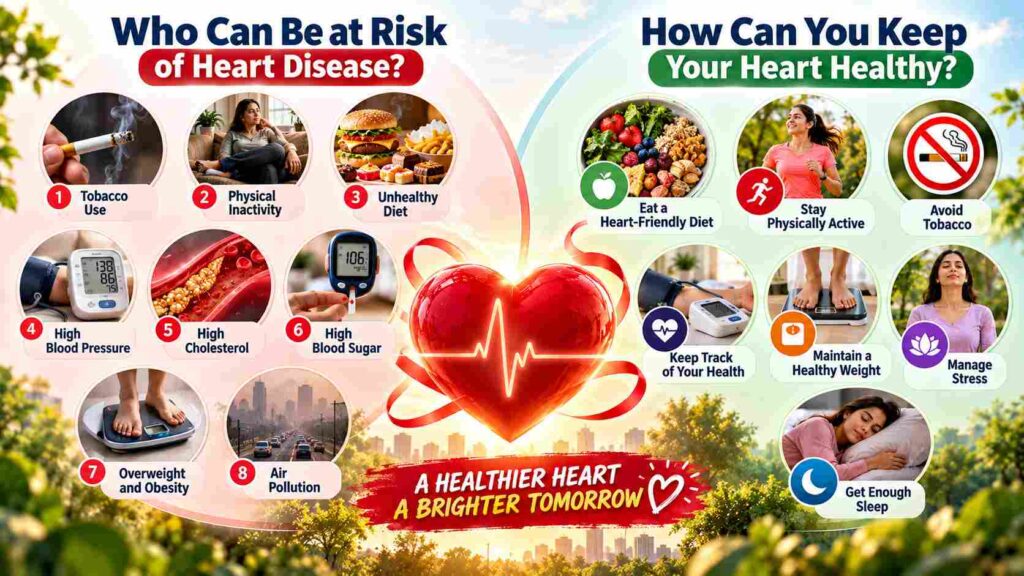
Important risk factors include:
1. Tobacco Use
Smoking and exposure to tobacco smoke can increase cardiovascular risk. Avoiding tobacco is an important step towards protecting heart health.
2. Physical Inactivity
A sedentary lifestyle can contribute to cardiovascular risk. Regular physical activity is one of the habits that can support overall cardiovascular health.
3. Unhealthy Diet
A diet high in excess salt, sugar and unhealthy fats can contribute to cardiovascular risk. Eating a balanced diet with a variety of nutritious foods can support heart health.
4. High Blood Pressure
High blood pressure is an important cardiovascular risk factor and may have no obvious symptoms. Regular monitoring can help identify it.
5. High Cholesterol
Raised blood cholesterol can contribute to the build-up of fatty deposits in blood vessels and increase cardiovascular risk.
6. High Blood Sugar
Diabetes and elevated blood glucose are associated with increased cardiovascular risk.
7. Overweight and Obesity
Excess body weight can be associated with several cardiovascular risk factors, including high blood pressure, high blood glucose and abnormal blood lipids.
8. Air Pollution
Air pollution is also recognised as an environmental contributor to cardiovascular disease.
How Can You Keep Your Heart Healthy?
Protecting your heart does not necessarily require dramatic changes overnight. Small, consistent lifestyle choices can make a difference.
Eat a Heart-Friendly Diet
Include a variety of fruits, vegetables, whole grains and other nutritious foods in your diet.
Try to limit excessive salt, added sugar and unhealthy fats.
A balanced diet can support healthy blood pressure, cholesterol and body weight.
Stay Physically Active
Regular movement is beneficial for cardiovascular health.
Walking, cycling, swimming, dancing, jogging or participating in a sport can all be ways of incorporating physical activity into your routine.
For World Heart Day 2026, the World Heart Federation is encouraging people to take part in its 20-minute movement challenge, highlighting activities such as walking, cycling, dancing and sports.
Avoid Tobacco
If you smoke, quitting can be an important step towards better cardiovascular health. Avoiding exposure to tobacco smoke also matters.
Keep Track of Your Health
Knowing your blood pressure, cholesterol and blood glucose levels can help you and your healthcare professional understand your cardiovascular risk.
Maintain a Healthy Weight
A healthy weight is only one part of cardiovascular health, but maintaining a weight appropriate for your individual circumstances can help reduce some risk factors.
Manage Stress
Long-term stress can affect overall health and may make it more difficult to maintain healthy habits.
Make time for activities that help you relax, such as walking, hobbies, spending time with loved ones, breathing exercises or mindfulness.
Get Enough Sleep
Good-quality sleep is an important part of overall health. Try to maintain a regular sleep routine and speak with a healthcare professional if you have persistent sleep problems.
World Heart Day 2026: The Importance of Regular Health Checks
One of the simplest ways to take the “Don’t Miss a Beat” message seriously is to know your numbers.
Depending on your personal risk factors, regular health checks may help identify problems such as high blood pressure, high cholesterol or high blood glucose before they cause noticeable symptoms.
Do not wait until you feel unwell to discuss your cardiovascular risk with a healthcare professional, particularly if you have risk factors or a family history of cardiovascular disease.
How Can You Participate in World Heart Day 2026?
World Heart Day is not only about reading information. It is also an opportunity to turn awareness into action.
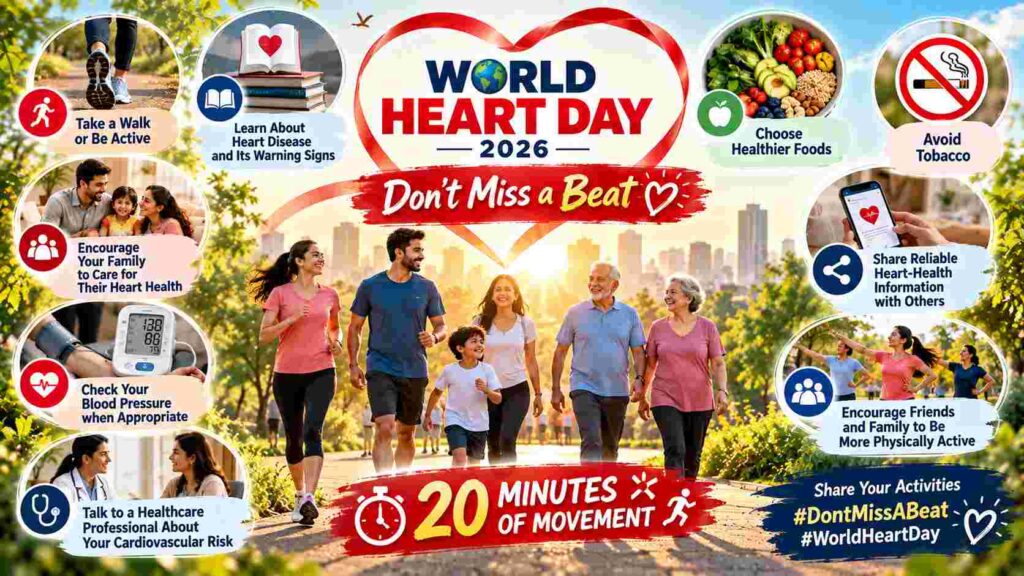
Here are some simple ways to participate:
- Take a walk or do another form of physical activity.
- Learn about heart disease and its warning signs.
- Encourage your family to pay attention to heart health.
- Check your blood pressure when appropriate.
- Talk to a healthcare professional about your cardiovascular risk.
- Choose healthier foods.
- Avoid tobacco.
- Share reliable heart-health information with others.
- Encourage friends and family to become more physically active.
The World Heart Federation’s 2026 campaign encourages 20 minutes of movement and invites people to share their activities using #DontMissABeat and #WorldHeartDay.
World Heart Day 2026: A Reminder for Every Family
Heart health is not only an individual concern.
A healthier lifestyle can become easier when families make healthy choices together.
Instead of treating exercise as a chore, families can go for an evening walk together. Instead of relying on highly processed foods every day, households can experiment with healthier home-cooked meals.
Parents can also teach children from an early age that taking care of their heart means taking care of their overall health.
These small changes can help create healthier habits that continue for years.
“Don’t Miss a Beat” – The Message We Should Remember
The human heart beats thousands of times every day, keeping us alive without demanding our attention.
But sometimes the body does send signals.
Chest discomfort should not automatically be dismissed as acidity. Unusual breathlessness should not always be ignored as tiredness. Sudden weakness or difficulty speaking should never be taken lightly.
Of course, many symptoms can have causes unrelated to cardiovascular disease. Only a qualified healthcare professional can determine the cause.
The important message is not to diagnose yourself — it is to recognise when something may require medical attention.
That is the spirit behind World Heart Day 2026: “Don’t Miss a Beat.”
Frequently Asked Questions About World Heart Day 2026
When is World Heart Day 2026?
World Heart Day 2026 will be observed on 29 September 2026.
What is the theme of World Heart Day 2026?
The theme or campaign message for World Heart Day 2026 is “Don’t Miss a Beat.” The World Heart Federation’s 2026 campaign focuses on recognising signs and symptoms of heart disease that may otherwise be overlooked.
Why is World Heart Day celebrated?
World Heart Day raises awareness about cardiovascular diseases, their risk factors, prevention and the importance of recognising possible warning signs.
What are some common signs of a heart attack?
Possible signs include chest discomfort, discomfort in the arms, shoulder, jaw or back, shortness of breath, nausea, light-headedness, cold sweating and fainting. Symptoms can vary between individuals.
How can I keep my heart healthy?
Eating a balanced diet, staying physically active, avoiding tobacco, limiting harmful alcohol use, maintaining a healthy weight and monitoring cardiovascular risk factors such as blood pressure, blood glucose and cholesterol can support heart health.
Is heart disease only a problem for older people?
No. Cardiovascular disease can affect people of different ages. Risk varies according to factors including lifestyle, genetics, existing health conditions and environmental exposures.
Final Thoughts
World Heart Day 2026 is a reminder to listen to your heart — not only when something feels wrong, but every day.
The campaign message “Don’t Miss a Beat” encourages us to recognise possible warning signs, understand our cardiovascular risk and make healthier choices.
A heart-healthy life is built through everyday decisions: moving more, eating well, avoiding tobacco, managing risk factors and seeking medical attention when concerning symptoms appear.
This World Heart Day, take a moment to think about your heart.
Know the signs. Know your risk. Take action.
Because when it comes to your heart, don’t miss a beat.
Medical Disclaimer
This article is intended for general awareness and educational purposes only. It does not replace medical advice, diagnosis or treatment from a qualified healthcare professional. If you or someone around you develops symptoms that may indicate a heart attack or stroke, seek emergency medical care immediately.
Also read: Aphonia: Symptoms, Diagnosis & Treatment https://khabardinbhar.in/aphonia-symptoms-diagnosis-treatment-causes/