

Introduction
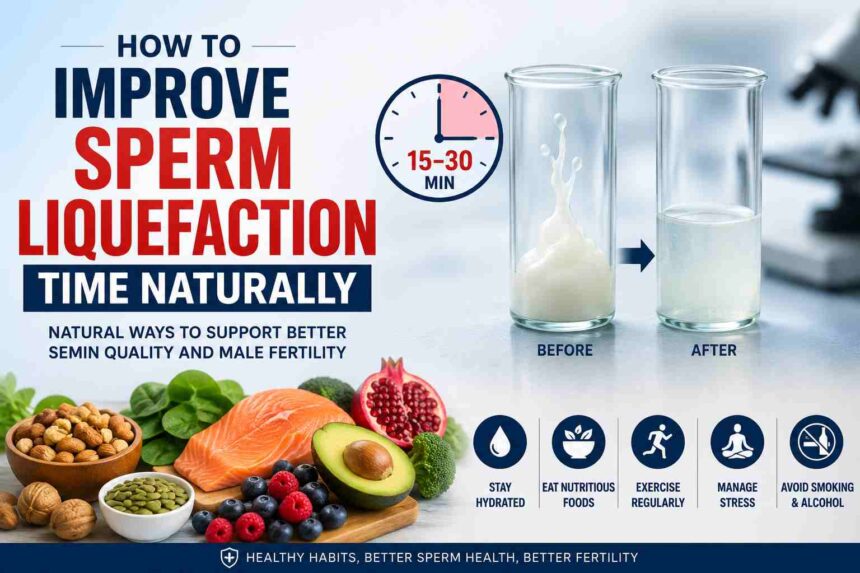
Sperm liquefaction is an important part of male fertility. After ejaculation, semen is typically thick and gel-like. Within 15 to 30 minutes, it normally becomes more liquid. This process is known as sperm liquefaction.
When liquefaction takes longer than usual, sperm movement can be affected. As a result, the chances of successful fertilization may be reduced. Delayed liquefaction is often linked to infections, inflammation, dehydration, poor lifestyle habits, or nutritional deficiencies.
Fortunately, sperm liquefaction time can often be improved naturally through healthy lifestyle changes and proper reproductive care. In this article, the causes of delayed sperm liquefaction and effective natural remedies will be discussed.
What Is Sperm Liquefaction?
Semen is initially released in a thick consistency to help it remain inside the female reproductive tract. After ejaculation, enzymes produced by the prostate gland break down the gel-like structure.
This allows the semen to become thinner and helps sperm move freely toward the egg. In most healthy men, liquefaction is completed within 15 to 30 minutes.
When semen remains thick for more than 60 minutes, delayed sperm liquefaction may be diagnosed.
Why Is Proper Liquefaction Important?
Proper liquefaction plays a vital role in fertility.
When semen remains excessively thick:
- Sperm movement may be restricted.
- Fertilization chances can be reduced.
- Sperm transport through the reproductive tract may become difficult.
- Natural conception may be delayed.
Therefore, healthy semen consistency should be maintained to support reproductive success.
Common Causes of Delayed Sperm Liquefaction
Several factors can contribute to delayed semen liquefaction.
1. Dehydration
Insufficient water intake may affect semen consistency. Thicker semen is often observed in men who are dehydrated.
2. Prostate Gland Issues
The prostate produces enzymes responsible for semen liquefaction. If prostate function is affected, liquefaction may be delayed.
3. Infections and Inflammation
Infections of the reproductive tract may interfere with normal semen characteristics.
4. Poor Diet
A diet lacking essential vitamins and minerals can negatively affect sperm health and semen quality.
5. Smoking and Alcohol Consumption
Tobacco and excessive alcohol use have been associated with reduced sperm quality and impaired reproductive function.
6. Oxidative Stress
Excessive free radicals in the body may damage sperm cells and affect semen parameters.
Natural Ways to Improve Sperm Liquefaction Time
Stay Well Hydrated
Adequate hydration is essential for overall reproductive health.
At least 2 to 3 liters of water should be consumed daily unless otherwise advised by a healthcare professional. Proper hydration helps maintain healthy semen consistency and supports normal bodily functions.
Eat a Nutrient-Rich Diet
A balanced diet can significantly improve sperm health.
Foods rich in antioxidants, vitamins, and minerals should be included regularly.
Recommended foods include:
- Citrus fruits
- Berries
- Leafy green vegetables
- Nuts and seeds
- Whole grains
- Fish rich in omega-3 fatty acids
- Eggs
These nutrients help reduce oxidative stress and support healthy sperm production.
Increase Zinc Intake
Zinc plays an important role in male fertility and prostate health.
Good dietary sources of zinc include:
- Pumpkin seeds
- Oysters
- Lean meat
- Chickpeas
- Lentils
Adequate zinc levels may help improve semen quality and reproductive function.
Maintain a Healthy Weight
Obesity has been linked to hormonal imbalances and reduced fertility.
Regular physical activity and a healthy diet should be followed to maintain an ideal body weight. Improved hormone regulation may positively affect semen parameters.
Exercise Regularly
Moderate exercise promotes better blood circulation and hormonal balance.
Activities such as:
- Walking
- Jogging
- Swimming
- Cycling
- Yoga
can support reproductive health when performed consistently.
However, excessive exercise should be avoided as it may negatively impact fertility.
Manage Stress Effectively
Chronic stress can affect hormone production and reproductive function.
Stress levels can be reduced through:
- Meditation
- Deep breathing exercises
- Yoga
- Adequate sleep
- Relaxation techniques
Better stress management may contribute to improved semen quality.
Avoid Smoking and Excessive Alcohol
Smoking and heavy alcohol consumption can damage sperm and impair semen quality.
These habits should be minimized or eliminated whenever possible. Improved reproductive health is often observed after lifestyle changes are adopted.
Get Adequate Sleep
Quality sleep is essential for hormone regulation and overall health.
Most adults should aim for 7 to 9 hours of sleep per night. Proper rest supports testosterone production and sperm health.
Foods That May Support Better Semen Quality
Certain foods are frequently recommended for male fertility support.
These include:
- Walnuts
- Almonds
- Pumpkin seeds
- Spinach
- Tomatoes
- Pomegranates
- Bananas
- Fatty fish
- Avocados
These foods provide antioxidants and nutrients that may help maintain healthy sperm function.
When Should You See a Doctor?
Medical evaluation should be considered if:
- Pregnancy has not occurred after one year of regular unprotected intercourse.
- Semen remains unusually thick for extended periods.
- Pain, swelling, or discomfort is experienced.
- A history of reproductive infections is present.
A semen analysis may be recommended to assess liquefaction time and other fertility parameters.
Final Verdicts
Sperm liquefaction is an essential process that supports sperm mobility and successful fertilization. Delayed liquefaction can affect fertility, but in many cases, improvement can be achieved through natural lifestyle changes.
Hydration should be maintained, nutritious foods should be consumed, and harmful habits should be avoided. Regular exercise, quality sleep, and stress management can also contribute to better reproductive health.
If symptoms persist or fertility concerns arise, professional medical advice should be sought for proper diagnosis and treatment.