

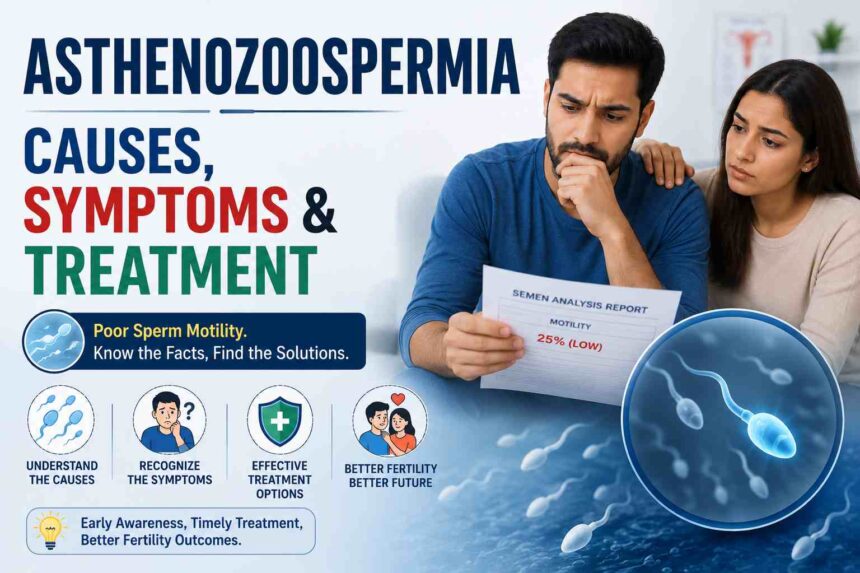
What is Asthenozoospermia?
Asthenozoospermia is a condition characterized by reduced sperm motility, affecting the ability of sperm to swim efficiently towards the egg. In a standard semen analysis, motility is one of the key parameters assessed to evaluate male fertility. Sperm motility is categorized into progressive motility (sperm moving in a straight line or large circles) and non-progressive motility (sperm moving in other patterns). Asthenozoospermia implies a significant reduction in both types of motility.
Who can get Asthenozoospermia?
Asthenozoospermia can affect any sexually mature male. It is a prevalent condition among men dealing with infertility issues. Men attempting to conceive a child may discover they have Asthenozoospermia when undergoing fertility testing.
What are the Types of Asthenozoospermia?
Asthenozoospermia can be categorized into primary and secondary types. Primary Asthenozoospermia is when poor sperm motility is the primary issue and is often due to genetic or congenital factors. Secondary Asthenozoospermia occurs when poor sperm motility is a result of underlying medical conditions, lifestyle factors, or environmental influences.
What are the Causes of Asthenozoospermia?
Several factors can contribute to the development of Asthenozoospermia:
- Genetic Factors: Genetic abnormalities or inherited conditions can affect sperm motility.
- Hormonal Imbalances: Hormonal disorders such as hypogonadism or thyroid issues can impact sperm production and motility.
- Varicocele: This is the enlargement of veins within the scrotum, which can cause heating of the testicles and affect sperm motility.
- Infections: Certain infections, especially in the reproductive tract, can impair sperm motility.
- Lifestyle Factors: Smoking, excessive alcohol consumption, drug use, obesity, and poor diet can negatively impact sperm motility.
- Heat Exposure: Frequent exposure of the genital area to high temperatures (e.g., hot tubs, and saunas) can reduce sperm motility.
- Medications and Treatments: Some medications and treatments, such as chemotherapy and radiation, can affect sperm motility.
What are the Symptoms of Asthenozoospermia?
Asthenozoospermia itself does not typically present with noticeable symptoms. The condition is usually identified through a semen analysis performed as part of a fertility evaluation.
Does Asthenozoospermia Affect Fertility?
Asthenozoospermia can significantly affect fertility. Reduced sperm motility decreases the chances of sperm reaching and fertilizing the egg, making it difficult for couples to conceive naturally. However, assisted reproductive techniques like In Vitro Fertilization (IVF) orIntracytoplasmic Sperm Injection (ICSI)can help overcome fertility challenges associated with Asthenozoospermia.
How is Asthenozoospermia Diagnosed?
Asthenozoospermia is diagnosed through a comprehensive semen analysis, where a sample of semen is collected and examined for various parameters, including sperm motility. A microscope is used to assess the percentage of progressively motile sperm and overall sperm motility.
How is Asthenozoospermia Treated?
The treatment of Asthenozoospermia depends on the underlying cause:
- Lifestyle Changes: Adopting a healthy lifestyle by quitting smoking, moderating alcohol consumption, maintaining a balanced diet, and regular exercise can improve sperm motility.
- Hormonal Therapy: Hormone replacement therapy may be prescribed to address hormonal imbalances affecting sperm motility.
- Surgical Intervention: In cases ofvaricocele, surgical repair can potentially improve sperm motility.
- Assisted Reproductive Techniques (ART): ART, such as IVF or ICSI, can bypass low sperm motility by directly injecting sperm into the egg during fertilization.
- Medications: In some cases, medications may be prescribed to enhance sperm motility.
Conclusion
Asthenozoospermia, or low sperm motility, is a common condition that can significantly impact male fertility. Understanding its causes, symptoms, diagnosis, and available treatment options is crucial for individuals and couples facing fertility challenges. With advancements in medical science and assisted reproductive techniques, there are viable solutions to help couples achieve their dream of starting a family.